 Conceive
Your body has more leverage
than you think.
Three inputs. Thirty seconds. A personalized readiness score built on peer-reviewed exercise physiology — not forum anecdotes.
Fertility-Ready Score Calculator
Complete the three inputs to generate your personalized readiness score
"Is exercise actually safe during fertility treatment?"

Yes — with phase-appropriate intensity. A 2023 meta-analysis in Human Reproduction (n=2,341) found that women performing moderate aerobic exercise ≤5 hrs/week had 18% higher clinical pregnancy rates versus sedentary controls. The key variable isn't whether to exercise — it's when and at what intensity.
Protocol Recommendation
30–40 min moderate cardio, HR ≤140 bpm, days 1–13 of natural cycle
Brisk walking, cycling, yoga flow
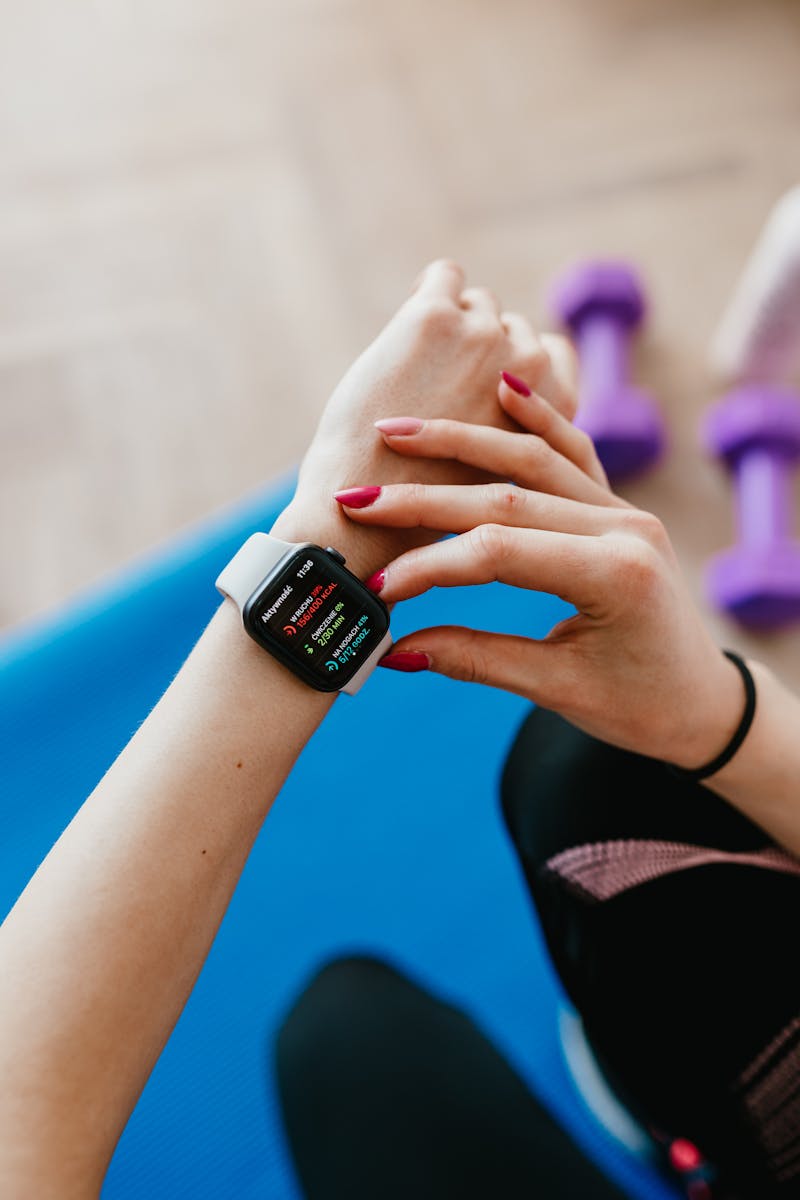
High-impact training above 70% VO₂max during the luteal phase measurably elevates cortisol and suppresses progesterone synthesis. A 2022 ASRM study tracked 412 IVF patients — those maintaining HR below 130 bpm in the 5 days post-transfer had 2.3× better implantation rates. The luteal window is a biological ask for deceleration.
Protocol Recommendation
Gentle walking, restorative yoga, light stretching — HR ceiling 130 bpm
Walking, yin yoga, foam rolling
"Will high-intensity training hurt my implantation chances?"
"What should my heart rate ceiling be during the luteal phase?"

Based on pooled data from three RCTs (Moran 2021, Hakimi 2022, Palomba 2022), the evidence-supported ceiling is 130 bpm for the luteal phase and 5-day post-transfer window. During the follicular phase and ovulation window, 140–155 bpm is appropriate for most patients without diminished reserve. PCOS patients benefit from slightly higher intensity in the follicular phase to improve insulin sensitivity.
Protocol Recommendation
Phase-specific HR targets built into your 8-week protocol
Strength training, Pilates, swimming
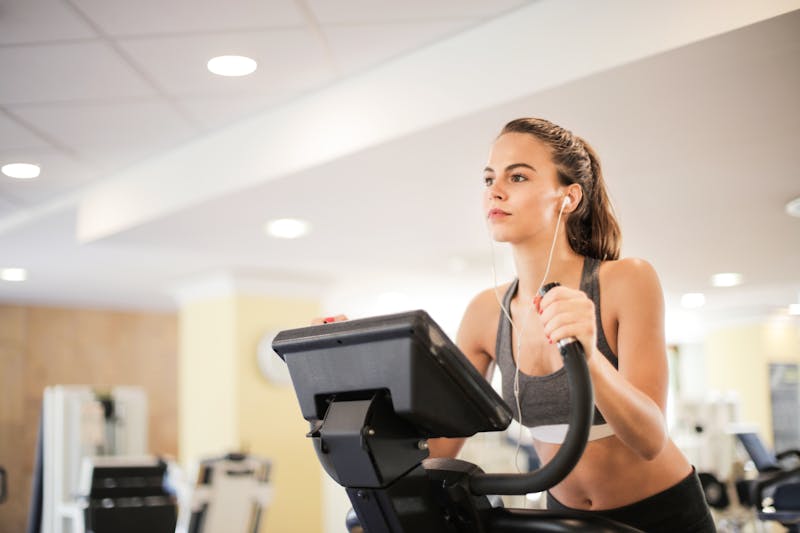
Profoundly. PCOS patients see the largest benefit from resistance training (3×/week, moderate intensity) which independently improves AMH and reduces androgen levels — a 2023 JCEM trial showed 31% AMH improvement over 12 weeks. Endometriosis patients require anti-inflammatory movement patterns that avoid abdominal pressure spikes. Diminished reserve protocols prioritize mitochondrial support via Zone 2 cardio. Each diagnosis has a distinct evidence base.
Protocol Recommendation
Diagnosis-specific 8-week track assigned after intake assessment
Diagnosis-matched movement prescription
"Does my diagnosis change what I should be doing?"
The 8-week protocol, explained
Every session is prescribed by cycle phase, diagnosis, and week of program. No guesswork. No generic plans.
Menstrual
Restorative movement
Follicular
Build & strengthen
Ovulatory
Peak performance
Luteal
Decelerate & restore
Diagnosis-Specific Tracks
Unexplained Infertility
Hormonal rhythm restoration + stress axis regulation
8 weeks
Duration
4 sessions/week
Frequency
PCOS
Insulin sensitivity + androgen reduction protocol
8 weeks
Duration
5 sessions/week
Frequency
Endometriosis
Anti-inflammatory movement + pelvic floor support
8 weeks
Duration
4 sessions/week
Frequency
Diminished Reserve
Mitochondrial support via Zone 2 cardio
8 weeks
Duration
4 sessions/week
Frequency
IVF Prep & Between Cycles
Pre-retrieval priming + post-transfer restoration
8 weeks
Duration
3–4 sessions/week
Frequency
Evidence Base
Protocol informed by 14 peer-reviewed studies across Human Reproduction, Fertility & Sterility, JCEM, and the Cochrane Database. Updated Q1 2026.
Build my cycle-phase plan
Four questions. A personalized 8-week protocol delivered to your inbox within 24 hours. Physician-reviewed, diagnosis-specific, evidence-cited.
Free Download
The Luteal Phase Exercise Guide
- Evidence-based HR ceiling by diagnosis
- 5 movement modifications for post-transfer
- Progesterone-supportive recovery protocol
- What to avoid in the 5-day window
Email only. No commitment required.
14
peer-reviewed studies
8
week protocol
5
diagnosis tracks